About 277 minutes
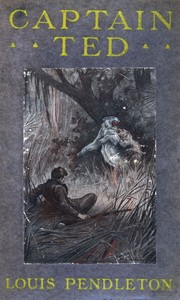
Captain Ted: A Boy's Adventures Among Hiding Slackers in the Great Georgia Swamp — Context and Discussion
Young Readers
63,499 recorded words. 36 minutes difference from this book's estimate.
View Gutenberg source #34333
The Young Alaskans on the Trail — A Closer Reading can be approached with a clearer sense of reading commitment from its source measurements: 71,820 words, 5 hr 13 min estimated reading time, and 8 detected text sections.
The text analysis averages about 17.8 words per sentence, while the detected sections provide another way to judge how the source is divided.
Project Gutenberg metadata also associates the work with “Voyages and travels -- Juvenile fiction,” connecting these edition facts with the source record’s subject description.
Explore this collection
These alternatives are selected using recorded categories and estimated reading time.
About 277 minutes
Young Readers
63,499 recorded words. 36 minutes difference from this book's estimate.
View Gutenberg source #34333About 255 minutes
Young Readers
58,571 recorded words. 58 minutes difference from this book's estimate.
View Gutenberg source #36684About 255 minutes
Young Readers
58,625 recorded words. 58 minutes difference from this book's estimate.
View Gutenberg source #36736Search stored excerpts and compare books → Choose by your preferences →
Choices use stored catalog measurements. Estimates vary with reading speed. A shared category is a catalog label, not a claim that two books have the same argument or literary quality.
Search reads excerpt text stored with this catalog and links to its associated Gutenberg record. The connection is stored in the site database; this tool does not recheck that every excerpt is word-for-word identical to that external record. Excerpt search does not cover every chapter and does not verify historical publication dates.
Catalog snapshot checked: 2026-09-26. Coverage: 93 public books, 93 available source excerpts.
Calculated from edition completeness, EPUB availability, text structure and catalogue metadata. Not a user rating.
Total of 100 points, scaled to a 2.5-5.0 range. Editions with an empty description or a missing EPUB file are not scored.
Public-domain source text
The source text is kept in the dedicated reader, separate from this catalogue record and its commentary.
The opening chapter of The Young Alaskans on the Trail establishes a landscape that is both beautiful and forbidding: a dense spruce forest, a broken country beyond, and white-topped peaks visible only at a distance. The narrator notes that the silence of the motionless air is more complete than usual among pines, where branches normally murmur. This stillness, combined with the absence of any road or trail, creates a feeling of depression—a mood that the young travelers must overcome. The book does not begin with a boast of adventure but with a quiet acknowledgment of the wilderness's power to unsettle.
The excerpts repeatedly treat rivers not as scenic backdrops but as active, dangerous forces that demand respect and skill. At the Finlay rapids, the sound of the water keeps the boys awake at night, and the narrator describes the river as “wicked.” The characters debate whether to run the rapids or line the boats down; Moise prefers to run them, while Alex counsels tackling rough work in the morning. The physical effort of hauling boats alongshore and the surprise at the current’s strength even on an empty boat show that the journey is a constant negotiation with moving water. The river rises overnight, forcing changes in plan. This is not a placid canoe trip but a series of tactical decisions against a mutable opponent.
The dialogue in the excerpts reveals a clear contrast between the boys’ eagerness and the guides’ caution. Rob proposes breaking camp and running downstream despite the rising flood, while Alex responds with measured reasoning about grizzly habits and the timing of hunts. Moise’s broken English (“Me, I’ll rather ron the rapeed”) adds a distinct voice that is both confident and colloquial. The old hunter Alex speaks in long, informative sentences about bear movements and willow buds, grounding the adventure in natural history. The boys listen and learn, but they also push—Rob’s suggestion to keep moving shows a restlessness that the older men temper. This interplay between youthful impatience and seasoned judgment drives the narrative forward without melodrama.
Hough uses sound—or its absence—to create atmosphere. The opening scene emphasizes an unusual silence, with no murmur from the spruces. Later, the rapids provide a constant roar that oppresses the boys’ spirits; they sleep poorly, aware of the noise and the “feeling of remoteness.” The contrast between dead stillness and the river’s thunder marks the emotional arc of each day. When the party camps, the sound of the rapids is a reminder of the work ahead. The author does not describe the scenery in static terms but through the characters’ sensory experience: what they hear, how it makes them feel, and how they react. This attention to acoustic detail gives the wilderness a psychological weight that mere description would lack.
Readers will find that the book’s value lies less in plot twists than in the accumulation of small, practical details: how to line a boat through rapids, why bears come down to willow flats in autumn, and what it feels like to wake in a remote mountain camp. Pay attention to the quiet exchanges between the boys and their guides—these moments carry the real instruction. The story rewards those who read for craft and observation rather than for dramatic conflict.
I remember the hush of those northern forests, how the river’s roar felt like a heartbeat. It reminded me of another quiet tale, Captain Ted: A Boy's Adventures Among Hiding Slackers in the Great Georgia Swamp — Context and Discussion, where the green silence pressed just as close. Both books share that patient respect for wild places, a feeling that lingers long after the last page turns.
Answer a few questions and save a private reflection on this device.