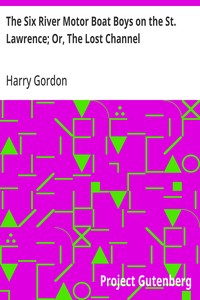
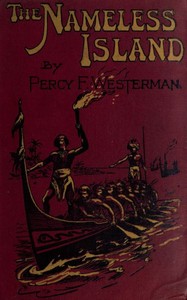
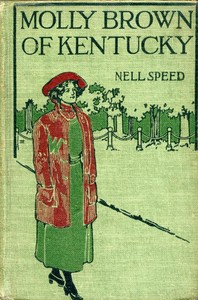
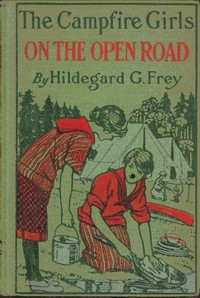
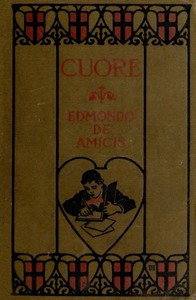
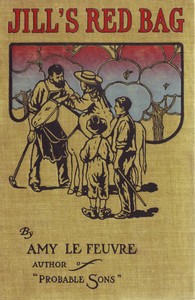
About 15 minutes
A Book of Cheerful Cats and Other Animated Animals — Reading Notes
Childrens Adventures
3,450 recorded words. Selected by the catalog's stored reading-time estimate.
View Gutenberg source #30328
Explore this collection
Three of the shortest recorded reading commitments in this catalog. Times are estimates, not quality ratings.
About 15 minutes
Childrens Adventures
3,450 recorded words. Selected by the catalog's stored reading-time estimate.
View Gutenberg source #30328About 32 minutes
Childrens Adventures
7,139 recorded words. Selected by the catalog's stored reading-time estimate.
View Gutenberg source #38564About 37 minutes
Childrens Adventures
8,463 recorded words. Selected by the catalog's stored reading-time estimate.
View Gutenberg source #38661Search stored excerpts and compare books → Choose by your preferences →
Choices use stored catalog measurements. Estimates vary with reading speed. A shared category is a catalog label, not a claim that two books have the same argument or literary quality.
Search reads excerpt text stored with this catalog and links to its associated Gutenberg record. The connection is stored in the site database; this tool does not recheck that every excerpt is word-for-word identical to that external record. Excerpt search does not cover every chapter and does not verify historical publication dates.
Catalog snapshot checked: 2026-09-26. Coverage: 93 public books, 93 available source excerpts.
Independent digital catalogue
This library holds 93 works of juvenile fiction from the late nineteenth and early twentieth centuries, all sourced from Project Gutenberg. The four active categories—Young Readers, School Stories, Children's Adventures, and Fairy Moral Tales—overlap, so a single book may appear in more than one. Rather than a strict taxonomy, these categories are browsing aids that reflect recurring themes: war and conflict, social observation and reform, and domestic and moral dilemmas. Each entry includes editorial commentary on diction, dialogue, and narrative structure, inviting comparison of stylistic strategies across genres. New readers can enter through three suggested reading paths, each linking books by theme rather than category alone.
Subject gateways
Browse the library by theme, historical period, or the type of source material.
Stories of childhood, exploration, resilience and imaginative adventure represented across the current public-domain collection.
A focused group of public-domain works connected by subject, literary setting and recurring questions.
Stories of childhood, exploration, resilience and imaginative adventure represented across the current public-domain collection.
Fairy tales, legends, myths and traditional narratives drawn from different literary and cultural settings.
About these records
How the collection is organized, presented and corrected.
It generally means that the represented source text is no longer protected by copyright in the applicable jurisdiction or has been released for public use. Status may vary by country and edition.
A record may include the title, author, category, cover, description, edition information, source references and available reading or download options.
A category reflects a work’s principal subjects, literary setting, source type and relationship to nearby records in the collection.
The catalogue adds navigation, metadata and editorial context. The represented source text retains its wording, edition information and rights status.
Use the contact page and include the work title, page address and the exact attribution, category, metadata or source detail requiring attention.
Catalogue stewardship
Catalogue information
FAEEF Catalogue oversees the digital library layout, which includes 93 books by 99 authors in 4 categories. They ensure the collections remain accurate.
Catalogue explorer
Browse existing collections, books and author records through several catalogue routes.